Tough Realities that Can't Be Ignored
Below are a few thoughts I had about the readings: Against the Dark: Antiblackness in Education Policy and Discourse, You’re Asian. How Could You Fail Math? Unmasking the myth of the model minority, and Race: Some Teachable—and Uncomfortable—Moments
Thought 1- This thought is general to all the readings. After reading After reading You're Asian, How Could You Fail Math?, Against the Dark: Antiblackness in Education Policy and Discourse and Race: Some Teachable-- and Uncomfortable-- Moments my mind was swirling with thoughts. I ended up spending some time silently reflecting and also spent some time discussing what I read with some close friends. I needed to talk these ideas out to try and gain some ground of understanding and comprehension. Being able to understand how my daily actions affect these topics is crucial.
Thought 2- Teacher vs. Learner. At the end of the Race: Some Teachable-- and Uncomfortable-- Moments the author stated, "When I encourage students to think about race in an almost all- white classroom, do I do it on the backs of my students of color? Do I force them to carry a load that is too heavy...". This quote stood out to me because like the author, my students and I have several conversations about race and identity. when we have these conversations I try to become the learner and have my students become the teachers, they know more about these topics than I do. After reading her reflection though, I worry if in the moment of me becoming the learning I am forcing, through power and privileged, my students of color to become teachers when they aren't ready? Is this right?
Thought 3- No positive stereotype. This idea was directly stated in You're Asian, How Could You Fail Math? But I also feel like it connects to Against the Dark: Antiblackness in Education Policy. The quote: "ultimately give credence to an entire way of thinking about race and culture, one that upholds the stereotypic racial and cultural inferiority of African Americans and Latina/os and maintains white supremacy", really stuck out. Any stereotype, category, or label, good or bad, just reinforces the idea that we are allowed and should keep believing/ acting upon these categories. These labels and categories don't work when put against every evolving functions, like race, identity and culture.
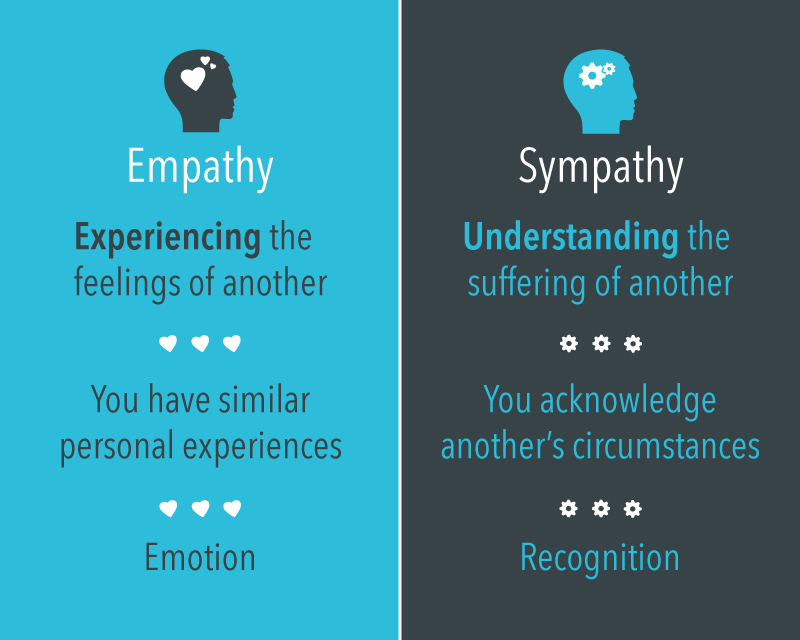
Thought 4- The difference between Sympathy and Empathy. After reading these articles I felt strongly that as a white women, it is necessary that I approach these topics with empathy and not sympathy. My white privilege will never allow me to truly grasp the feeling, however I can become active and helpful if I attempt to understand how it feels. This video some what challenges this idea and I would love to know your thoughts. https://www.youtube.com/watch?v=1Evwgu369Jw
Thought 5- Gaining Education Equity. The author in You're Asian, How Could You Fail Math? states that, "the Myth of the Model Minority... attributes academic success and failure to individual merit and cultural orientation, while underestimating important structural and institutional resources that all children need in order to achieve academically". I find this quote very powerful. No matter the student or background, all children deserve the right to equal access to education.


Ellie, I appreciated the image of your brain swirling with thoughts. Often my brain feels the same way! The quote that you selected on the heaviness of the load for students of color to hold in a mostly white class is something that I think about a lot as well. I've been thinking about how POC organizers often have to navigate and redirect harmful behavior from often well-intentioned, but unchecked, white organizers in community spaces. The struggle is definitely ongoing.
ReplyDelete